Job priorities and health issues have gotten to me of late, but I want to keep my hobby alive so I’m posting again.
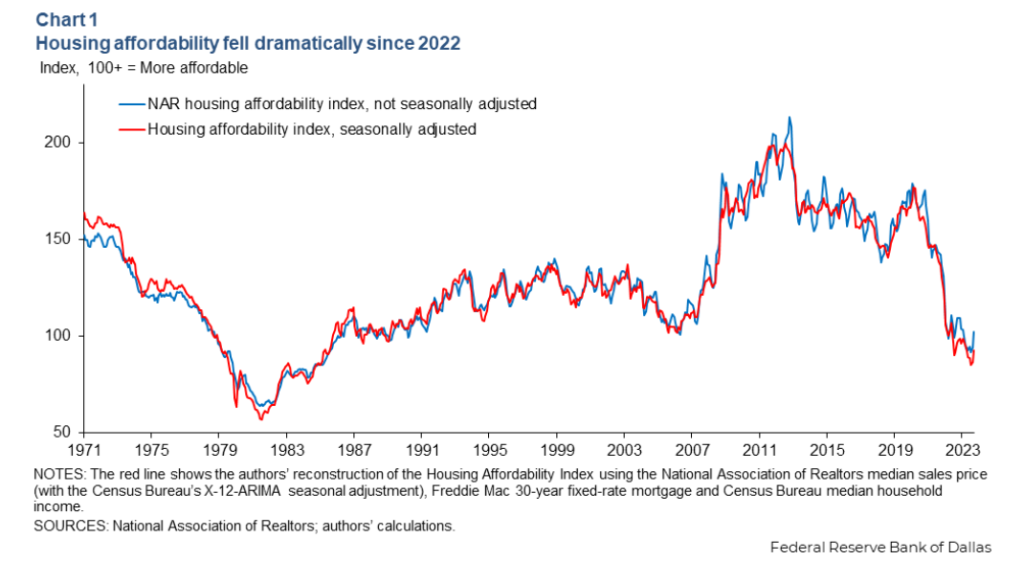
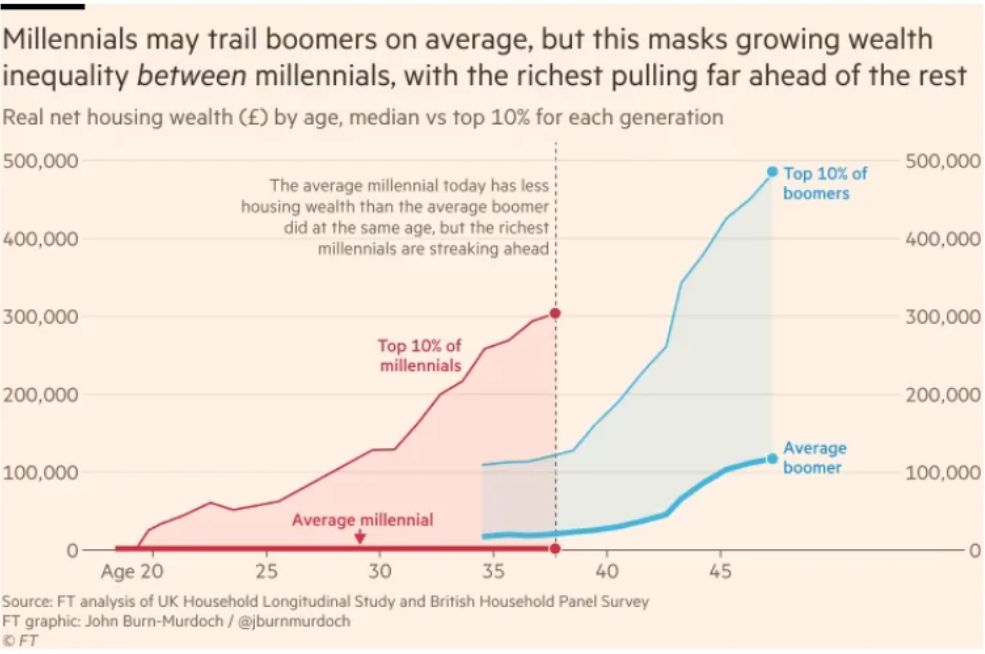
The Lib Dems in Britain are again proving that they are complete NIMBYs in all but name. A lot of Liberal spaces like the word “YIMBY” now, and the implications that go along with it. But suddenly once a house needs to be built in “my” backyard, Libs like the Lib Dems are demanding an array of extras get tagged on so that the price of building the new housing skyrockets and the housing doesn’t get built after all.
There’s always a Disney morality that NIMBYs tug on. It’s sad when a new things changes an old thing you grew up with. And it’s inconvenient when your own life has to change to accommodate newcomers. Wouldn’t it be great if everything could stay the same? And if your own life was never affected negatively by anyone around you?
But frankly, this morality is childish. In the real world things change, and each of us changed the world in our own way, so too must we adapt to the coming of those after us. The Lib Dems want to demand that homebuilders build new amenities with each new house, so that locals won’t have to adapt to their area having more people with the same amount of amenities. But if the demand for amenities is there, then someone else will come in and build them. If an area doesn’t have enough doctors, new GPs will open up shop, secure in the knowledge that they’ll have a bustling client base immediately.
But demanding that a homebuilder build doctors offices as well, with no guarantee that the area actually needs new doctors, is ridiculous. And even if the area does need new doctors, let the people who specialize in building those things build new doctors offices. Let the homebuilders build homes.
As I said, we all were a burden on our local amenities when we first came into this world, when we first moved to our current home. So to will those coming after us burden our area. But those who came before us dealt with our presence, we should deal with those who come after. Let people build homes, for God’s sake.
Oil has become a much more elastic good than many commentators believe it to be. To recount, usually when the price of a good goes up, that signals to suppliers to create more of it. For a good with inelastic supply, supply changes little in response to price.
During the height of OPEC’s power, a few countries could hold a cartel on the market, so that no matter how much the price rose, supply stayed relatively constant. The excess price was simply taken by the cartel as economic rents, “free money” so to speak.
But OPEC is no longer at the height of its power. Several of the OPEC nations have been ignoring the cartels demands for years now, the core nations are agreeing to end their own supply constraints, but more importantly than anything else the USA is now the number 1 producer of oil, and its free market does indeed respond to supply and demand. New wells can and have turned on as the price has risen, with more and more land continuing to be explored for more oil.
I’ve seen it written a lot recently that oil supply is simply inelastic, and that this is why demand-side subsidies like Canada pausing its gasoline tax won’t do anything at all to help with affordability. But first, this argument doesn’t follow. And second, oil really isn’t as inelastic as it used to be. More oil will indeed be pumped as wells turn back on and as oil profits incentivize well expansion.
The timeline for this increase may not happen within the short scale of current wars (the current one may already be over when this is published?), but it does happen, and it’s part of why the price for Brent Crude futures remains so low despite the threat of so much oil being barred through Hormuz. Investors know that higher price will bring on more supply to bring the price back down. And of course many are betting that the war will be over soon, but that’s another issue.
Just random streams of consciousness.